Tinnitus
50 million people in the United States experience tinnitus. Tinnitus is a “phantom” buzzing, ringing, clicking, or other sounds when no external sound is present. Tinnitus can range from non-bothersome to insufferable. It is a common symptom of noise exposure. Tinnitus can occur for many reasons; earwax, ear infections, or side effects from medications. In…
Heart Health & Hearing

February is National Heart Health Month. In honor of your heart, we’d like to talk to you about your hearing. Did you know having a healthy heart is healthy for the auditory system? Why? It is all about blood flow. The organ of hearing (the cochlea) is a small and highly vascularized organ that relies…
New Year Better Hearing
Make 2022 the year of better hearing. Did you know you should have your hearing checked regularly? Similar to vision, hearing can start to decline over time, and the earlier hearing loss is detected, the better the treatment outcome is likely to be. The American Speech-Language-Hearing Association (ASHA) recommends that adults screen for hearing impairment…
OTC Hearing Aids: What You Should Know
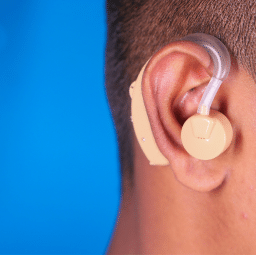
By: Jennifer Thomson, Au.D. It is estimated that 1 in 8 Americans and nearly 1.1 million Ohioans have hearing loss. Typically, people wait an average of 7 years before seeking help for their hearing loss. In late October 2021, the Food and Drug Administration (FDA) established rules for a class of over the counter (OTC)…
Toy Safety and Noise

December is Safe Toy and Awareness Month. Due to the holiday season, December is the biggest gift-giving month worldwide! When making toy purchases, safety is a big issue. Is this toy age-appropriate, are the pieces a choking hazard, and the ever-popular, will they shoot their eye out?! How often is noise level considered in your…
Cocktail Party Effect

Holiday parties and gatherings in environments where multiple conversations are going on at once can make a less than accommodating listening environment creating a situation that audiologists refer to as the “cocktail-party” effect. The cocktail party effect refers to the ability to focus one’s attention on a particular speaker while being able to filter out…
Protecting Your Child’s Hearing Health
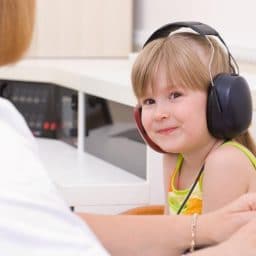
By: Dr. Jennifer Thomson With the COVID-19 pandemic and the transition to remote learning, many children utilized some type of headphones during their lessons. Research suggests that if small children use headphones, they might have trouble understanding in noisy situations as early as their teens. It is suggested that by the time these children are…
What is Sudden Hearing Loss?
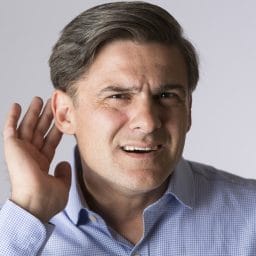
For most people who experience hearing loss, the condition comes on gradually over a period of years. In rare cases, an abrupt loss of hearing occurs with little or no warning. This condition is known as sudden sensorineural hearing loss (SSHL). What is Sudden Deafness? Sudden deafness is defined as a hearing reduction of 30…
What is Noise Induced Hearing Loss?
Noise induced hearing loss is the second most common form of hearing loss (ranking behind presbycusis, hearing loss related to normal aging), and is the most preventable type. How Can Sounds Hurt Your Ears? Background sound is a constant in our busy lives. Normally, background noises are at safe levels that won’t impact our hearing….
What is Unilateral Hearing Loss?
What is Single Sided Deafness? Sometimes referred to as unilateral hearing loss, single sided deafness is a condition in which an individual experiences hearing loss in only one ear but can hear normally out of the other ear. While the majority of patients with a hearing impairment suffer from bilateral (two-sided) hearing loss, SSD is…